
Key Highlights
- Ghost ant infestations are hard to spot because these house ants have a tiny body and pale legs.
- Good pest control starts with correct identification, since ghost ant colonies can look like other ants at first.
- Indoors, a ghost ant often nests in hidden, damp spaces near food and water.
- Baiting and non-repellent products are usually better than direct spraying for an ant infestation.
- Cleaning trails, sealing gaps, and reducing moisture help stop house ants from returning.
- Large ghost ant colonies may need professional pest control support.
Introduction
A ghost ant can become a frustrating indoor pest in California, especially when you keep seeing tiny house ants near sinks, counters, or sweet food. Good pest control starts with knowing what you are dealing with. Once you identify a ghost ant correctly, you can choose smarter treatment steps and lower the chance of repeat activity inside your home.
Understanding Ghost Ants in California
Ghost ant is the common name for Tapinoma melanocephalum. This ant species is tiny and difficult to see, which is why many homeowners confuse it with other small house ants.
Unlike odorous house ants, ghost ants have a pale body pattern that stands out on close inspection. They are a tropical species and do not survive well in the northern states unless they are inside heated spaces or greenhouses.
Physical Appearance and Identification
Start with size. A ghost ant worker is about 1/16 inch long, so its small size makes it easy to miss on floors, counters, and windowsills. You may only notice movement at first.
Look closer at color. The head and thorax are dark brown, while the pale color of the legs and abdomen makes the rear half look almost see-through. Many people describe the legs as translucent legs because light passes through them easily.
You can also check body details. A ghost ant has six legs, antennae, and an unevenly rounded shape. The thorax lacks spines. If you compare ant species side by side, this contrast between a dark front and pale abdomen is a useful clue.
Common Habits and Behavior Patterns
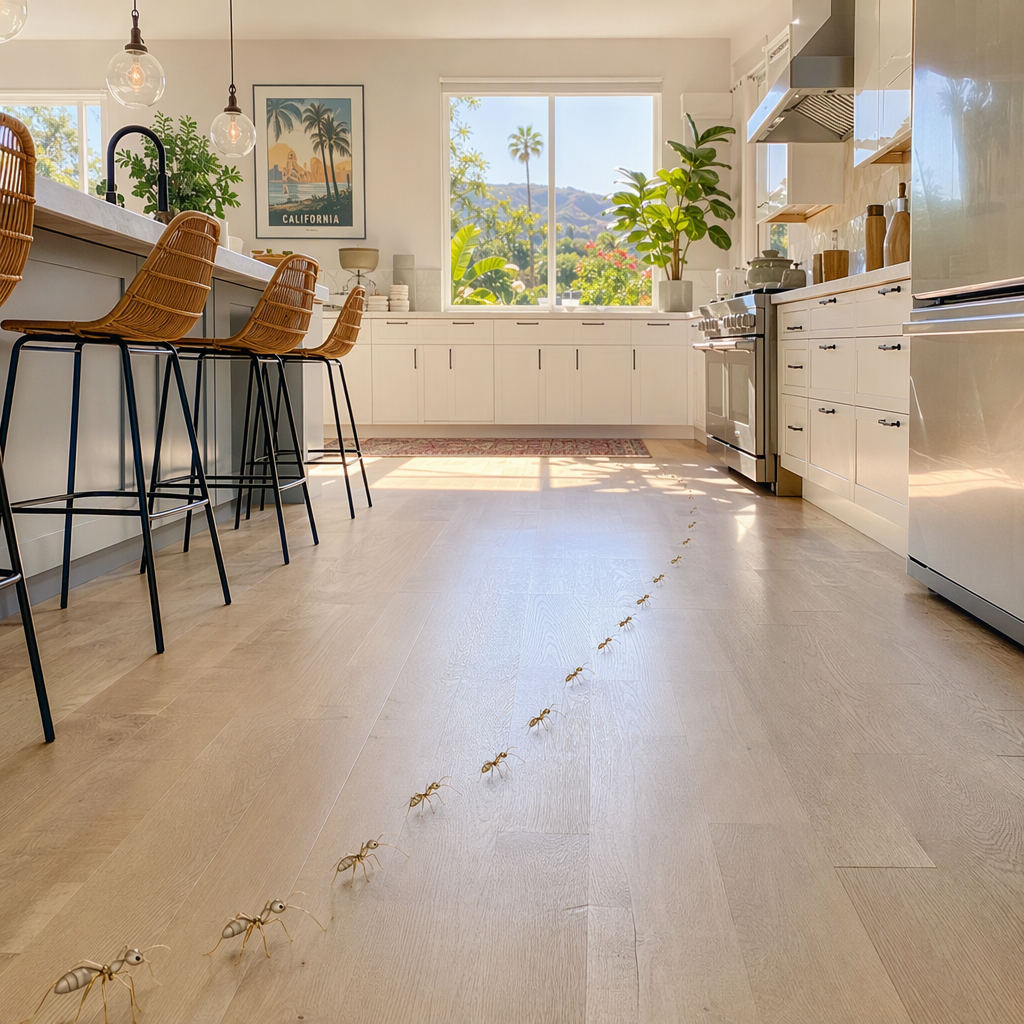
A ghost ant usually follows hidden travel routes. You may see a thin trail of ants moving under carpet edges, along walls, or near wires. These paths are guided by pheromone trails that help workers move between nests and food.
Their colonies can be moderate to large, with thousands of workers and many queens. Instead of staying in one place, colonies may spread across several nesting sites. That means the whole colony is often harder to reach than homeowners expect.
Inside homes, they prefer sweet food sources and often show up in kitchens. They are also drawn to moisture, so they may travel toward sinks, tubs, shower areas, and potted plants when water is available nearby.
Ghost Ants vs. Other Household Ants
Many homeowners group all tiny indoor ants together, but a ghost ant has a different look from odorous house ants, little black ants, sugar ants, and Argentine ants. Careful comparison matters.
The easiest clue is color contrast. A ghost ant has a dark head and thorax with a pale rear section, while other common house ants often appear darker from end to end. That difference helps guide treatment.
Key Differences in Size and Color
When you compare ant species indoors, size alone is not enough. Several house ants are small, so you need to focus on body color and visibility as well.
A ghost ant stands out because its small size combines with a pale color on the legs and abdomen. This makes the back half harder to see than the front half.
|
Ant type |
Key visual clue |
|---|---|
|
Ghost ant |
Dark head and thorax with pale legs and abdomen |
|
Odorous house ants |
More evenly dark overall |
|
Little black ants |
Dark body without the ghost ant’s pale rear section |
|
Argentine ants |
Do not show the same sharp dark-front, pale-back contrast |
|
Sugar ants |
Common name used loosely, so close visual checking is needed |
How to Confirm a Ghost Ant Infestation
To confirm a ghost ant infestation, begin with a thorough inspection instead of guessing from a quick sighting. Look at kitchens, bathrooms, windows, doors, and areas near moisture. Small moving dots alone are not enough.
Next, follow where the house ants travel. Ghost ants often move along hidden edges, electrical areas, and baseboards. If trails lead toward damp voids or protected cracks, that strengthens the case for indoor activity.
Finally, search likely ant nests. Indoors, nesting may occur in wall voids, behind trim, between cabinets, or in potted plant soil. When these signs line up with the ant’s pale body pattern, identification becomes much more reliable.
Typical Nesting Sites of Ghost Ants Indoors
Ghost ant nests indoors are usually hidden, protected, and close to moisture. These house ants do not need large open spaces, so they fit into narrow cracks and sheltered voids with ease.
Because one whole colony may be split across several spots, nesting sites can be scattered through the home. That is why finding one area of activity does not always reveal the full problem.
Hidden Locations Around the House
A ghost ant likes tight, quiet spaces that stay slightly damp. Many ant nests stay out of sight, which is why an ant infestation can continue even when you only see a few workers.
Common indoor hiding spots include wall voids, spaces behind trim, and gaps near moisture. Workers may also move through baseboards and narrow crevices where light and airflow are limited.
- Behind baseboards and shoe molding
- Between cabinets and inside wall voids
- In the soil of indoor potted plants
These hidden areas make inspection important before treatment begins.
Signs That Indicate Nesting Activity
Often, the first sign of a ghost ant infestation is repeated movement in the same indoor area. You may notice activity near sinks, counters, tubs, or under carpet edges day after day.
A second clue is location. When trails of ants keep appearing along trim, wires, or hidden corners, there may be ant nests nearby rather than a single outside entry point.
- Consistent trails of ants near moisture or sweet food
- Activity behind trim, near outlets, or around plant pots
- Nest contents such as larvae or other developing ants if a site is opened
These signs help separate random visitors from active indoor nesting.
Why Ghost Ants Invade California Homes
A ghost ant enters homes for simple reasons: food, water, and shelter. Sweet food sources are a strong draw, especially in kitchens where crumbs or spills are easy to find.
Excess moisture also matters. Leaks, damp rooms, and wet plant soil support their needs. If pest control only targets the ants you see, but these conditions remain, activity can continue or return.
Attraction to Food and Water Sources
Ghost ant workers search widely for food items, but they strongly prefer sweets indoors. Kitchens are common hotspots because sugary residue, food containers, and small spills are easy for them to exploit.
Moisture is just as important. These ants often trail toward sinks, tubs, shower stalls, and potted plants. Even minor drips can support continued indoor movement if the area stays damp.
Outdoors, honeydew from aphids and similar insects is a valued food. That helps explain why ghost ants may gather near plants first, then move closer to a home when food sources and water are both nearby.
Seasonal Factors That Increase Infestation Risks
Ghost ants are a tropical species, so warm and humid conditions support their survival. In places like Florida, they are especially well established and can nest both indoors and outdoors with fewer limits.
By contrast, the northern states are less suitable for long-term outdoor survival. There, ghost ants are more likely to persist inside greenhouses or heated buildings where conditions stay stable.
For California homes, warm periods and indoor moisture can still raise ghost ant infestation risks. If shelter, water, and food stay available, colonies may remain active for long stretches instead of fading on their own.
Most Effective Methods for Ghost Ant Control
The most effective ghost ant control usually avoids direct, aggressive spraying at visible ants. Fast contact treatments can disturb colonies and make the problem spread through budding.
A better pest control plan uses bait and non-repellent sprays with patience. Careful baiting lets workers carry treatment back through hidden nesting sites, improving the chance of reaching more of the colony.
Proper Use of Ant Baits and Non-Repellent Sprays
For indoor control, slow-acting products work best because they do not alarm the colony right away. Workers stay active long enough to share the material with other ants, including queens and larvae.
Ant bait is often more useful than repellent spray for this reason. Products such as advion ant bait gel, other ant bait gel options, and ant bait stations fit this bait-and-wait approach.
- Place bait where ants are trailing, not directly inside a visible nest
- Use non-repellent sprays carefully as part of a wider plan
- Avoid repellent insecticide on the colony, which may trigger budding
This method is often the best way to affect hidden populations.
Step-by-Step Guide to DIY Pest Control
If you want DIY ghost ant control, start with a thorough inspection. Look near sinks, tubs, plant pots, baseboards, outlets, doors, and windows. The goal is to find movement patterns, moisture, and likely nesting zones.
Next, focus on baiting instead of random spraying. Place bait along active routes and give it time to work. Ghost ants often need a patient approach because colonies may be spread out.
- Track where workers travel each day
- Reduce food and water access while bait remains available
- Avoid disturbing nest areas with harsh insecticide
These effective steps improve your chances of steady control.
Natural and DIY Remedies for Ghost Ants
Natural solutions can help disrupt ghost ant movement, but they usually work best as support tools rather than a full fix for a large problem. They are most helpful during early activity.
For home pest control, these methods mainly target trails, entry areas, and attractants. They can reduce access to food sources and interfere with travel, but they may not remove every hidden nest.
Safe Household Ingredients That Deter Ghost Ants
Several household items can interfere with ghost ant travel. These natural solutions are commonly used to clean or break up scent trails so workers have a harder time returning to the same place.
Simple options can be useful when a few house ants first appear. Soap and water can clean active pathways, and white vinegar mixed with water can be sprayed on trails away from the nest.
- Soap and water for cleaning scent trails
- White vinegar and water on travel paths
- Diatomaceous earth along dry routes and entry areas
These steps may deter movement, though they are not always enough alone.
Application Tips and Limitations of Natural Solutions
Use DIY remedies carefully. With a ghost ant problem, the goal is to disrupt movement without scattering colonies. Spraying too close to a nest can increase stress and may lead to budding.
Natural pest control also has limits. These methods often affect only the ants that cross a treated spot. In a larger ant infestation, hidden queens and separate nests may remain untouched.
- Apply products on trails, not directly into suspected nesting sites
- Reapply diatomaceous earth after rain and keep it dry
- Treat DIY remedies as support, not a guaranteed colony solution
That balance helps you set realistic expectations.
Preventing Future Ghost Ant Infestations
Prevention is a major part of long-term pest control. If you remove access, food, and moisture, you lower the chance of another ghost ant infestation taking hold indoors.
Sealing entry points with caulk helps, but it works best with steady home maintenance. Outdoor trimming, dry conditions, and regular checks around problem areas create a stronger defense than one step alone.
Sealing Entry Points and Home Maintenance Tips
Yes, sealing entry points can help prevent an ant infestation. Ghost ants are tiny, so even narrow crevices may be enough for entry. Walk the outside and inside of your home and inspect carefully.
Pay close attention to foundations, doors, windows, and areas where pipes or wires pass through walls. Caulk can close many small openings before they become regular indoor travel routes.
- Seal cracks and crevices around doors, windows, and trim
- Check brick weep holes and use proper covers or barriers
- Repair loose seals that leave small gaps around openings
These steps reduce easy indoor access.
Everyday Habits to Reduce Attractants
Daily habits matter more than many homeowners think. If food sources and water stay available, ants have a reason to keep searching around your home even after treatment.
Good home maintenance should focus on dryness and cleanliness. Fix leaks quickly, improve ventilation where possible, and keep kitchens and bathrooms free of residue that can support ant activity.
- Clean up crumbs, sugary spills, and greasy spots fast
- Store food in sealed containers and rinse food packaging
- Repair leaks and reduce moisture near sinks, tubs, and plant pots
These simple actions make your home less inviting.
Conclusion
In conclusion, effective pest control for ghost ants in California requires a comprehensive understanding of their behaviors and nesting habits. By implementing both preventive measures and targeted control methods, homeowners can significantly reduce the risk of infestations. From identifying hidden nesting sites to utilizing appropriate ant baits and natural remedies, each step plays a crucial role in maintaining a ghost ant-free environment. Remember that ongoing vigilance—such as sealing entry points and maintaining cleanliness—will further safeguard your home from these pesky invaders. For tailored advice and solutions, don’t hesitate to reach out for a consultation. Your peace of mind and comfort at home are worth it.
Frequently Asked Questions
How safe are ant baits for pets and kids?
Ant bait can be useful for house ants, but placement matters. Keep ant bait gel and ant bait stations in spots pets and kids cannot access. For safer pest control use, follow label directions carefully and consider professional help if placement is difficult.
Why do ghost ants return after treatment?
A ghost ant may return when treatment does not reach the whole colony. Since colonies can split across several sites, food sources, moisture, and hidden nests may remain. Repellent spraying can also disturb ghost ant infestation areas and make colonies spread.
Do ghost ants cause health issues for people?
Ghost ant is mainly a nuisance pest. It does not sting, but an indoor infestation can cause discomfort because these house ants contaminate living spaces and keep appearing around food and water areas. The main problem is ongoing annoyance, not direct injury.
