
Key Highlights
- German cockroach pest control works best when you combine sanitation, monitoring, and targeted treatment.
- A gel bait program is often one of the most effective ways to reduce hidden cockroach populations.
- Removing food sources and moisture makes your home less attractive to german cockroaches.
- Sealing entry points can help limit movement, especially in connected housing.
- Professional pest control is often the better choice for heavy infestations.
- Early action helps stop a small problem from becoming a large infestation.
Introduction
A german cockroach infestation can spread fast in California homes, especially around kitchens and other warm, damp areas. The good news is that proper pest control can manage and eliminate this pest when the right steps are followed. If you have seen one roach and feel worried, you are not alone. Knowing what to look for and what to do next matters.
Understanding German Cockroaches: Identification and Behavior
The german cockroach, or blattella germanica, is one of the most common indoor cockroach species linked to homes and apartments. It is small, tan, and well adapted to living close to people.
The behavior of the german cockroach makes control harder. It prefers dark, warm, humid areas near food and water. It also stays hidden in tight spaces, which means an infestation can grow before you notice clear signs.
Key Characteristics of German Cockroaches
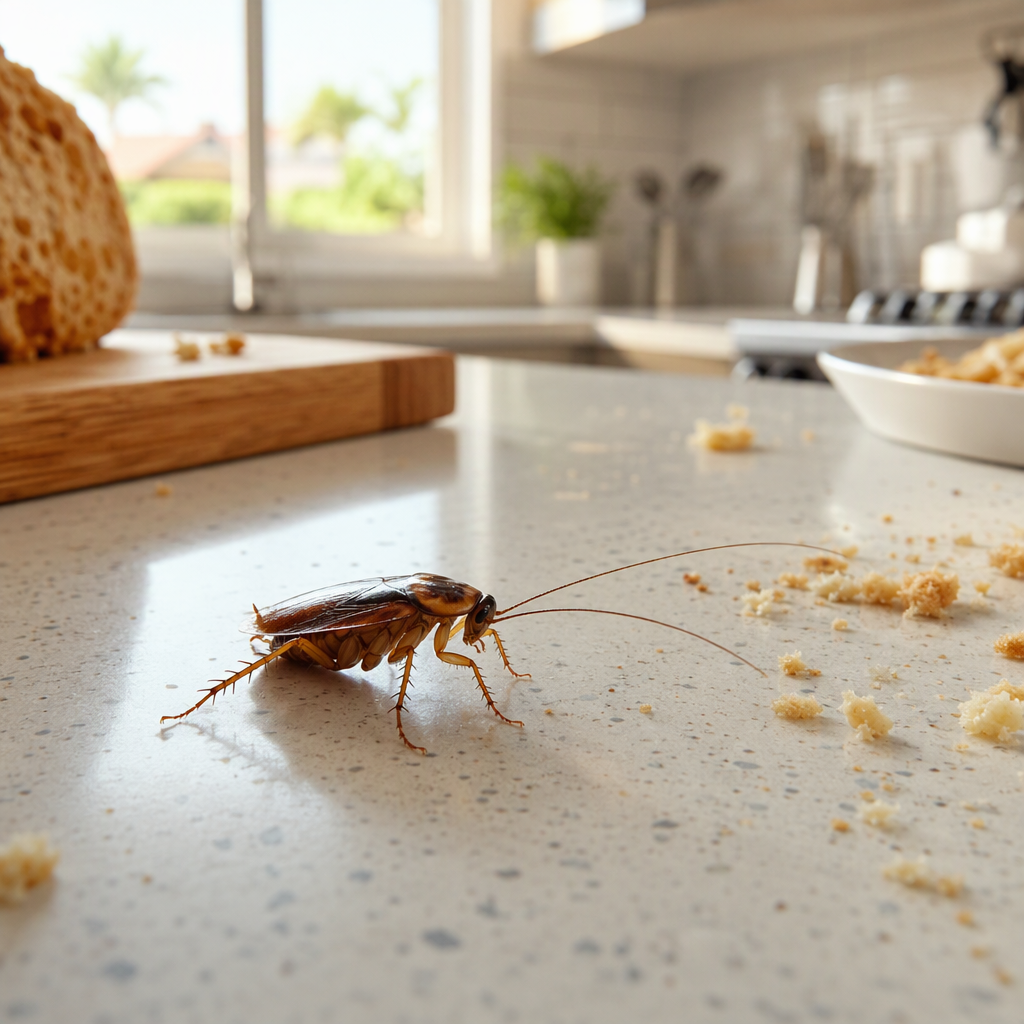
A german cockroach is usually light brown to tan. The easiest feature to spot is the pair of dark stripes behind the head. That mark helps separate it from other cockroach species you may see around a home.
You may also notice its slender antennae and small body shape. Blattella germanica is built to move through narrow cracks, behind appliances, and inside cabinets where you do not often look.
Why does identification matter? The most effective methods for german cockroach pest control depend on using the right approach for this species, especially baiting, sanitation, and treatment in hidden harborages instead of open-area spraying.
Typical Habitats in California Homes
In California homes, german cockroaches choose hiding places that stay warm, humid, and close to food. They usually stay near areas where crumbs, grease, or moisture collect over time.
Common spots include the space around the kitchen sink, inside kitchen cabinets, and near stored pet food. You may also find them near appliances if food debris has built up.
- Under or around the kitchen sink
- Inside kitchen cabinets and pantry areas
- Behind refrigerators, stoves, and dishwashers
- Near pet food, garbage, and small food debris
If you see activity in these spots, those are strong signs of a german cockroach infestation in your home.
Lifecycle and Reproduction Patterns
German cockroach biology is a big reason infestations grow so quickly. The female german cockroach carries an egg case, also called an ootheca, and protects it until close to hatching.
That matters because a single female can help start a large indoor population. Once young roaches hatch, they stay hidden and often feed in protected areas that are hard to reach.
For pest control, the lifecycle explains why one treatment is rarely enough. You need repeated monitoring and follow-up treatment methods to target active roaches, new hatchlings, and the hidden parts of the infestation over time.
Health Risks Associated with German Cockroach Infestation
A german cockroach infestation is more than a nuisance. Among household pests, this pest species is tied to real health risks inside kitchens and food storage areas.
German cockroaches can spread contamination and leave allergens behind through feces, saliva, and shed material. They are also linked to food poisoning concerns, which makes fast control important for any home with children, older adults, or allergy sufferers.
Common Allergens and Asthma Triggers
One of the biggest health risks from a german cockroach problem is allergen buildup. Roaches leave behind feces, saliva, and body parts that stay in the environment if the infestation continues.
These allergens can be serious for people with asthma, especially young children. That is why quick cockroach control is not only about comfort. It is also about making the home healthier.
- Feces can hold allergens
- Shed skins add to indoor contamination
- Saliva can trigger sensitivity in some people
- Asthma symptoms may get worse with ongoing exposure
If you are asking what health risks are associated with german cockroach infestations, allergens and asthma triggers are near the top of the list.
Disease Transmission and Food Contamination
German cockroaches move through dirty surfaces and then travel across kitchens, counters, and storage areas. That movement raises the risk of food contamination in places where your family prepares meals.
They have been shown to carry disease-causing agents in their environment, including Salmonella. Because of that, a german cockroach infestation can increase concerns about food poisoning if roaches contact dishes, utensils, or exposed food sources.
Good pest management lowers these risks. Once food contamination becomes possible, you should act fast by cleaning carefully, storing food properly, and treating the infestation where the roaches are actually hiding.
Early Warning Signs of German Cockroach Infestation
The signs of a german cockroach infestation often appear before you see large numbers of live roaches. Small clues in kitchens and bathrooms can point to activity in hidden harborages.
Watch for droppings, a musty odor in severe cases, an egg case, or signs of shedding. These clues often show up near hiding spots where roaches rest during the day and feed at night.
Visual Signs and Droppings
Many homeowners first notice visual signs when they turn on a light and spot a roach moving across a kitchen counter. Even one sighting can point to more roaches nearby.
Droppings are another strong clue. These appear as tiny dark dots or smears in tight hiding spots, especially around food storage and food prep areas. You may also see roaches with the familiar dark stripes behind the head.
- Tiny dark droppings in corners or cracks
- Live or dead roaches near a kitchen counter
- Activity under sinks, behind appliances, or in hiding spots
- Small tan roaches with dark stripes
These are some of the clearest signs of a german cockroach infestation in your home.
Odor, Egg Cases, and Shed Skins
Some signs are less common but still important. In heavier infestations, you may notice an odor in rooms where german roaches have built up over time.
You may also find an egg case or shed skins in concealed spaces. These signs often collect near appliances, cabinet gaps, wall voids, or areas with long-term activity.
Why does this matter? These clues can suggest growing cockroach populations, even when live roaches stay hidden during the day. If you find odor, shed skins, or an egg case, it is smart to inspect further and start control quickly.
Causes of German Cockroach Infestations in California
German cockroaches move into homes for simple reasons: easy shelter, food, and moisture. In California, warm indoor conditions often support them year-round.
The main attractants include crumbs, grease, garbage, leaks, and damp areas. Entry points also matter, especially in connected housing. Good pest control and cockroach control start by reducing what draws roaches in and limiting where they can move.
Attractants Inside the Home
Roaches stay where basic needs are easy to find. Indoor food sources and water sources make kitchens, laundry areas, and bathrooms prime problem zones.
Even small amounts of food debris can support an infestation. Grease near appliances, crumbs in kitchen cabinets, and unsealed pet food all help german cockroaches survive and spread.
- Open or poorly sealed pet food
- Crumbs and grease inside kitchen cabinets
- Dirty dishes and food debris near sinks
- Leaks, condensation, or standing water sources
If you see roaches where these attractants exist, that often answers the question about signs of a german cockroach infestation in your home.
Entry Points and How Cockroaches Get In
German cockroaches can move through very tight spaces. Common entry points include gaps around pipes, wall openings, shared utility lines, and other small cracks inside or between units.
In apartments and multi-unit buildings, they may travel through adjoining walls, outlets, and ceilings. Areas near the kitchen sink are especially important because pipe gaps often connect to hidden spaces.
How can you prevent german cockroaches from coming back after treatment? Seal entry points where possible, especially around plumbing and utility penetrations. Exclusion alone may not solve an active infestation, but it can reduce reentry and spread.
DIY German Cockroach Pest Control Methods
Many homeowners start with diy methods, and some can help when used correctly. The most useful options usually include gel bait, cockroach baits, glue boards, and careful sanitation.
Dust products such as boric acid and diatomaceous earth may also play a role in dry hidden voids. Still, success depends on placement, follow-up, and avoiding mistakes that push roaches deeper into walls or new rooms.
Baits, Gels, and Traps for Homeowners
For most homes, cockroach baits are among the best products for german cockroach infestations. A gel bait or child-resistant bait stations can reach roaches where they hide and feed.
Baits work well because roaches carry the toxic effect back into hidden areas. Glue boards do not eliminate an infestation alone, but they help you monitor activity and find problem spots.
- Use small placements of gel bait in many locations
- Put bait stations near hiding areas, not in open traffic paths
- Place glue boards along walls, corners, and under sinks
- Recheck and replace products as needed
If you ask which products work best, baits and traps usually beat random spray use.
Proper Use of Insecticidal Sprays
Insecticide sprays can give quick knockdown, but they are not the best stand-alone answer for roach control. In many cases, they only provide short-term relief and may scatter roaches into new spaces.
If you use insecticide sprays, they should go only into cracks, crevices, and voids where household pests are hiding. Always follow label directions and keep sprays away from open food areas and other treated areas where people may contact residues.
One major caution matters here. Do not spray where bait is placed. Sprays can repel cockroaches and stop them from feeding on bait, which reduces the effectiveness of the stronger treatment option.
Natural and Home Remedies to Try
Some homeowners try natural or low-chemical options first. Boric acid and diatomaceous earth can help when they are applied lightly in dry, hidden areas rather than scattered across open rooms.
A thin layer works better than a heavy pile. Too much dust can act like a barrier and make roaches avoid the area. Good spots may include dry voids near kitchen cabinets or utility penetrations.
Natural predators are not a practical indoor solution for homes. If you want products that work best, carefully placed bait and proper sanitation usually outperform simple home remedies used by themselves.
Professional German Cockroach Control Solutions
When roaches keep returning or numbers grow fast, professional pest control is often the smarter next step. A trained pest control technician can spot hidden activity, treatment errors, and conditions that homeowners miss.
Professional pest management usually combines inspection, sanitation advice, monitoring, and targeted cockroach control. This approach is especially useful when infestations are deep inside walls, behind appliances, or moving between units.
Techniques Used by Pest Control Experts
Pest management professionals usually rely on integrated pest management instead of one single product. That means they combine cleaning guidance, monitoring, baiting, dusts in voids, and limited crack-and-crevice treatment when needed.
This method is why professional pest control often outperforms random DIY work. Experts match treatment methods to the roach’s behavior and the structure of the home.
|
Technique |
How it helps |
|---|---|
|
Thorough inspection |
Finds harborages, moisture, and activity patterns |
|
Gel bait placement |
Targets hidden feeding areas |
|
Glue board monitoring |
Tracks movement and treatment progress |
|
Dust in voids |
Reaches dry inaccessible spaces |
|
Exclusion steps |
Helps reduce movement through gaps |
For german cockroaches, professionals are often more effective because they treat the full system, not just what you can see.
Effectiveness of Professional vs. DIY Treatments
DIY work can help with small problems, but it often falls short when roaches are well established. Hidden harborages, missed bait placements, and poor product use can slow progress.
For heavy infestations, professional pest control services offer better results because they use a structured plan. A pest control service can inspect, monitor, rotate treatment methods when needed, and reduce errors that make infestations last longer.
So, are professional exterminators more effective than DIY solutions for german cockroaches? In many serious cases, yes. Their approach is usually more complete, especially when roaches are inside walls, cabinets, and shared building spaces.
What to Expect During a Professional Visit
A professional visit usually starts with a thorough inspection. The pest control technician will look near appliances, sinks, cabinets, plumbing lines, and other warm, humid spots where german cockroaches hide.
Next, the technician may place bait, glue boards, or dust in protected voids. Professional pest control services may also point out sanitation issues, moisture sources, and structural gaps that support the infestation.
If there are large numbers of cockroaches, expect follow-up visits. Roach control often takes more than one treatment because hidden nymphs hatch later and some harborages need time and repeated bait exposure to collapse.
Preventing Future German Cockroach Infestations
Long-term cockroach control depends on changing the conditions that helped the roaches survive in the first place. Treatment without prevention can lead to repeat problems.
To protect your home, store food well, reduce moisture, and keep up ongoing monitoring. Smart pest management also means you seal entry points and respond quickly if activity shows up again after treatment.
Cleaning and Sanitation Tips for Prevention
Good cleaning makes bait more effective and helps prevent re-infestation. When roaches lose easy meals, they are more likely to feed on bait instead of competing food.
Focus on the small messes that build up every day. Food debris behind appliances and grease on the kitchen counter can keep a population going longer than many homeowners expect.
- Wipe the kitchen counter and prep areas often
- Clean spills, crumbs, and food debris right away
- Store food in sealed containers or in the refrigerator
- Do not leave dirty dishes sitting too long
If you want to stop roaches from coming back after treatment, these sanitation tips are essential.
Structural Repairs and Sealing Entry Points
Prevention also depends on the structure of your home. Roaches use entry points around plumbing, utility lines, wall gaps, and cabinet openings to spread or reenter treated areas.
Structural repairs should focus on small cracks and openings near sinks, pipes, baseboards, and inside kitchen cabinets. In shared housing, this step can help limit movement between units.
You should seal entry points once active harborages are being treated. This will not erase an existing infestation by itself, but it supports long-term control and makes return movement more difficult for surviving roaches.
Ongoing Monitoring and Maintenance Strategies
Even after visible activity drops, you still need ongoing monitoring. German cockroaches are good at staying hidden, so a quiet kitchen does not always mean the problem is fully gone.
Glue boards and bait stations can help track whether roaches are still active. Place them near earlier hot spots such as under sinks, behind appliances, and along wall edges.
Good pest management includes checking monitors often and adjusting treatment methods when needed. That steady approach helps catch a rebound early, before a few surviving roaches turn into a new infestation.
Selecting the Best Products for German Cockroach Elimination
Choosing the right product matters because german cockroaches do not respond equally to every treatment. A strong gel bait or other well-placed cockroach baits often gives better results than broad spray use.
Insecticide resistance also affects insect control choices. Some roach populations no longer respond well to common spray products, which is why bait-focused plans and careful product rotation are important.
Reviewing Top Baits and Gels (Including Advion Gel)
When reviewing products, bait is usually the top category to consider. A gel bait is useful because it can be placed close to harborages, where german cockroaches spend most of their time.
Advion gel is often discussed by homeowners because gel formulas are easy to place in small spots. Still, no product is perfect in every case because insecticide resistance and bait aversion can reduce performance.
- Choose cockroach baits made for indoor roach control
- Apply small amounts in many hiding areas
- Recheck placements and refresh as needed
- Rotate products if performance drops over time
Is Advion gel a reliable option for german cockroach control? It can be useful, but results still depend on placement, follow-up, and resistance issues.
Safe Use of Sprays and Residual Insecticides
Sprays and residual insecticides have a limited role in german cockroach work. They should be used carefully and only where the label allows, mainly in cracks, crevices, and voids.
Always follow label directions exactly. Misuse in open treated areas can increase exposure risks for people and pets, and it may also contaminate places used for food handling.
For household pests like german cockroaches, more spray does not mean better control. In fact, overuse may repel roaches from baited areas or drive them deeper into hidden spaces. That is why targeted baiting is usually the stronger core strategy.
Frequently Asked Questions (FAQ)
Common queries regarding german cockroach pest control often revolve around effective treatment options and prevention strategies. The behavior of the german cockroach, particularly its preference for dark, moist hiding spots, makes thorough inspections critical for identifying potential entry points and food sources. Many homeowners inquire about the efficacy of DIY methods versus professional pest control services. Utilizing cockroach baits, diatomaceous earth, and boric acid is common. Consulting with pest management professionals can provide affordable solutions tailored to specific infestations, ensuring peace of mind against these household pests.
How long does it take to fully get rid of German cockroaches?
Getting rid of a german cockroach problem usually takes more than one visit. Pest control results depend on infestation size, sanitation, and treatment methods. Good pest management and follow-up roach control often take weeks, not days, especially when roaches are hidden deep inside walls or cabinets.
How should I clean my home after treatment?
After treatment, focus on cleaning crumbs, grease, and spills while avoiding disturbance of treated areas unless your provider says otherwise. Remove easy food sources, dry wet spots, and keep watching entry points. Good pest management works best when sanitation supports the treatment plan.
What is the most effective long-term solution for German cockroach control?
The best long-term german cockroach control plan is integrated pest management. That means sanitation, monitoring, bait stations, targeted treatment, and follow-up. You also need pest control that addresses moisture and helps seal entry points so the infestation is less likely to return.
Conclusion
In conclusion, effectively managing German cockroach infestations requires a comprehensive understanding of their behavior and the health risks they pose. By utilizing both DIY control methods and professional solutions, you can significantly reduce their presence in your home. Remember that prevention is key – maintain cleanliness, seal entry points, and regularly monitor for signs of infestation. If you’re struggling to manage an infestation or want to ensure long-term success, we recommend reaching out for professional pest control assistance. Don’t hesitate to take the first step towards a cockroach-free home by booking a free consultation with our experts today!
